Field notes: the week the ministry stopped maintaining its own forest layer
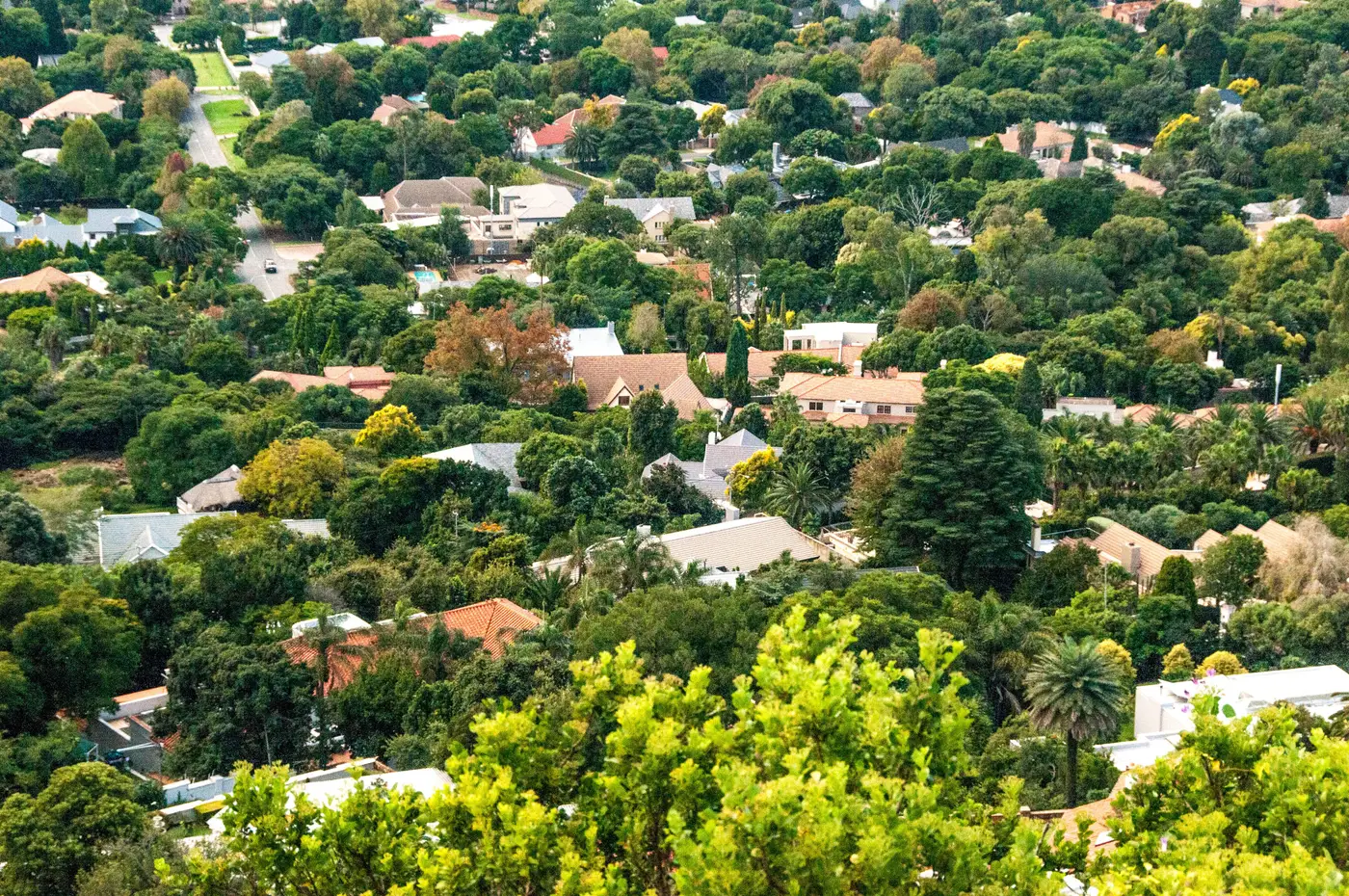
There's a particular meeting that happens inside most national mapping agencies at some point, usually in Q4, usually right before budget season. Someone from forestry stands up and says: "We're going to stop running our own canopy classification. We'll take the agency layer instead."
It never gets announced as a big decision. It shows up as a line item disappearing from next year's procurement plan, and a note in the minutes that forestry's seasonal change detection contract won't be renewed. But if you've sat through enough of these meetings, you know what it means: the environment ministry has just admitted, out loud, that maintaining a second forest layer stopped being worth it.
It's worth asking how an agency ends up with two forest layers in the first place, because the answer is never carelessness. It's history. The statistics office built a land cover classification years ago because the census needed built-up area figures. Forestry, separately, needed something with finer canopy discrimination for deforestation reporting, so they ran their own contract with their own imagery provider, their own training samples, their own class definitions for "forest" versus "shrub" versus "degraded forest." Both layers were defensible on their own terms. Neither one was built to agree with the other.
Nobody notices the mismatch until someone asks a question that spans both. A parliamentary committee wants to know how much forest the country lost to agricultural expansion last year, and that figure needs a cropland number from one layer and a forest-loss number from another, produced by different vendors, on different base imagery, in different years. The two numbers don't reconcile, and now there's a meeting about why the ministry can't answer a simple question with a straight face.
The agencies that get out of this cleanly do it in a specific order. First they stop asking "whose layer is more accurate" and start asking "whose layer is cited more." Accuracy arguments go nowhere because both sides can defend their methodology forever. Citation is the thing that actually decides it: if the statistics office's layer is already in the national accounts, already feeding the SDG indicator reporting, already the one planning departments pull for zoning, then forestry's parallel layer was never going to win that argument no matter how good its canopy discrimination was. The second layer dies because it was never the one other departments built on; its accuracy was beside the point.
Second, they stop treating the handover as a one-time migration and start treating it as an annual commitment. A forest class that only gets reclassified every three years when someone remembers to commission it isn't a layer, it's a snapshot. The agencies that make the switch stick are the ones that line up the forest class with a recurring, delta-checked classification run every year against the same base, so forestry can see this year's loss against last year's edition without a vendor swap changing the baseline underneath them.
Third, and this is the part nobody puts in the procurement document, they accept that forestry will lose some resolution they used to have. The old dedicated contract probably discriminated between forest types the agency layer lumps together. That's a real cost. It's just smaller than the cost of two ministries publishing two different forest-cover numbers to the same parliament in the same year.
That's the trade one source to cite is built to make reasonable: the agency gives up a bespoke classification nobody else trusted, and gets one forest class that the statistics office, environmental reporting, and planning can all point to when someone asks where the number came from.
If your forestry team is still running its own contract alongside the agency's base layer, it's worth finding out what it would take to retire one of them.